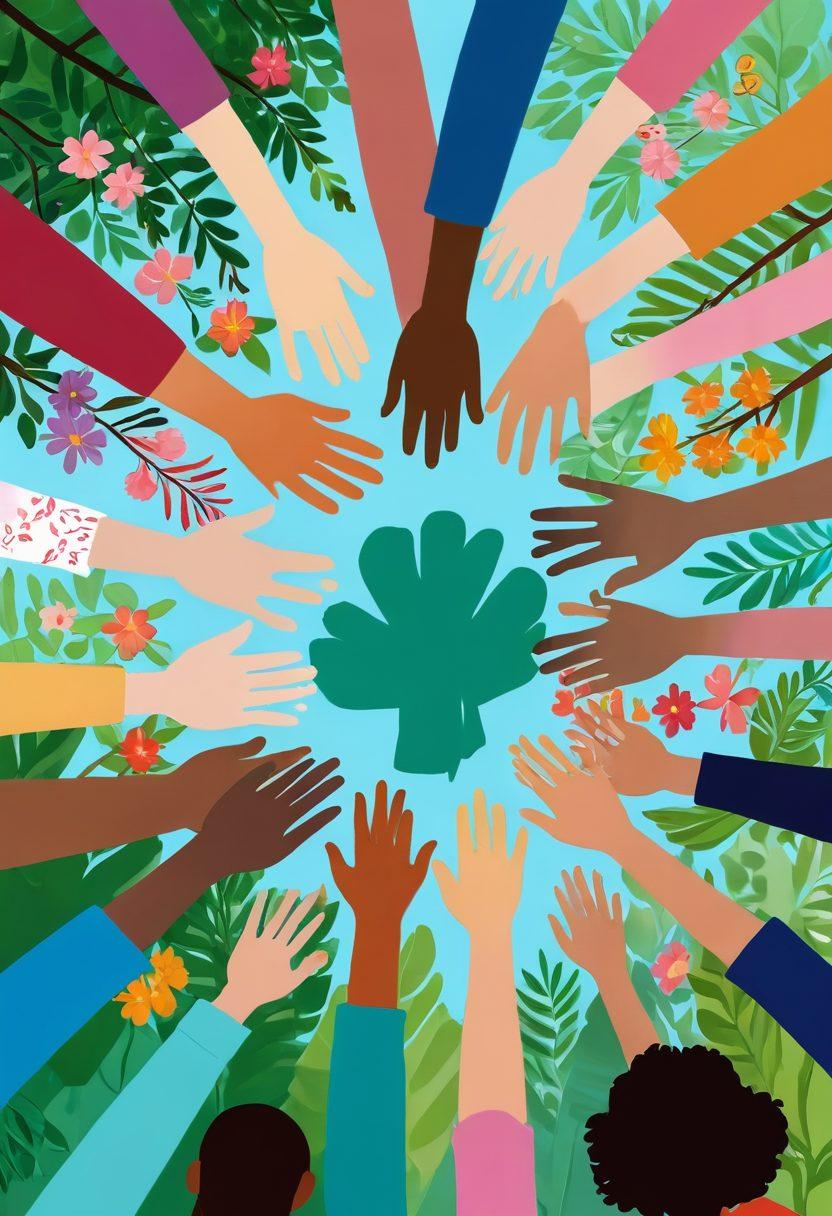
Empowering Lives: The Ultimate Guide to Cancer Awareness and Wellness Tips
Navigating the labyrinth of a cancer diagnosis can feel overwhelming. The dark clouds of uncertainty can cast shadows over every aspect of life, but the sun does shine through with the right awareness and resources. Let’s talk about cancer awareness and treatment; it’s not just about survival, but about thriving through education and community support. Remember, as real advocates in the realm of oncology, we can turn doubt into hope, and knowledge into resilience. How do we begin this journey?
First and foremost, understanding cancer is vital. According to cancer statistics, every year millions face this reality, which is why cancer awareness is not just a personal journey, but a collective effort. Individuals must arm themselves with quality cancer information to navigate the medical research that surrounds us. Knowledge about different cancer treatments and preventive health can help you ask the right questions and seek the most appropriate care. What does your healthcare team need in order to support your battle?
Engaging in conversations within support groups can also be groundbreaking. These communities become lifelines, where stories of courage and survival are shared. Imagine the strength found in hearing that you are not alone, that others have walked the same path and emerged on the other side. These interactions foster mental health in cancer—an essential component of overall wellness. As we share our experiences, we learn coping strategies and perhaps even some invaluable wellness tips that make this journey a bit more manageable. Have you found people who share your journey yet?
Furthermore, let’s focus on the critical aspect of nutrition for cancer. A well-balanced diet can significantly impact your body’s ability to cope with cancer treatments, promote healing, and boost your immune system. Holistic wellness encompasses not just physical health but emotional and spiritual well-being too. Seeking out professional nutritional guidance tailored to your specific situation can empower you greatly. Could the food we consume be the ally we didn’t know we had?
Finally, survivorship goes beyond the end of treatment. It involves continual engagement with health and community. Palliative care and symptom management shouldn’t be afterthoughts; they must remain part of the conversation. Take advantage of patient resources and clinical trials that can provide valuable insights and alternatives. In the face of adversity, we must stand strong, advocating for ourselves and others who share this journey. What legacy of strength will you leave for those navigating similar challenges?
Empower Yourself: Holistic Wellness Tips for Cancer Patients and Survivors
In a world where the shadow of cancer looms over many, the journey for patients and survivors often feels overwhelming. Yet, within this struggle lies the power of empowerment, a choice that can dramatically shift one’s experience with cancer. The phrase 'knowledge is power' rings especially true in oncology, where understanding cancer awareness translates into informed decisions and holistic wellness. How do we go from simply surviving to thriving? Let’s explore actionable wellness tips, steeped in the transformative practices that encourage not just healing, but true thriving in life's journey beyond cancer.
Imagine waking up each day with a sense of purpose, fueled by a belief in the healing potential of your body. Nutrition for cancer plays a pivotal role in maintaining strength and boosting immunity during treatment. Consider that plate not just as sustenance, but as a palette full of vibrant colors – fresh fruits, leafy greens, whole grains, and lean proteins that nourish both body and spirit. Have you ever considered how the foods you consume might influence your mood and energy levels? Reflecting on the findings from numerous medical research studies, it’s evident that mindful eating can become a cornerstone of holistic wellness for cancer patients and survivors alike.
But what happens when the physical battles are met with emotional turmoil? Mental health in cancer is a critical yet sometimes overlooked aspect of survivorship. It’s important to acknowledge how distressing feelings can surface and how they affect your journey towards recovery. Support groups can serve as a lifeline, offering community support and a safe space to share experiences with those who truly understand. As you connect with others, consider this thought: 'We rise by lifting others.' How might engaging with a community transform individual healing into a collective growth experience?
The role of patient advocacy also cannot be understated; it empowers individuals to take charge of their health and journey. Do you ever feel lost amidst the medical jargon and cancer statistics? Fear not! By accessing patient resources available through hospitals, cancer organizations, and online platforms, you can become your own best advocate. This includes learning about clinical trials that may offer cutting-edge cancer treatments. Knowing what options are available not only enhances your understanding but can reignite hope and determination. Remember, being proactive is fundamental to effective symptom management and overall wellness in your cancer journey.
Lastly, let’s not forget the often-ignored realm of palliative care and preventive health. These aspects focus on quality of life, both for battling cancer and living well after treatment. Just picture a strategy that incorporates relaxation techniques, spiritual connections, and even simple pleasures like gardening or painting into your routine. Think about this question: What small, sustainable changes can you make in your daily life to foster a sense of wellness? By taking incremental steps toward holistic wellness, survivors can redefine their lives, ensuring that cancer doesn’t become the whole story, but rather a chapter on an extraordinary journey of resilience.
Building a Supportive Community: Resources and Advocacy for Cancer Care
In the journey through cancer awareness and wellness, one of the most pivotal elements we can build is a supportive community. The harsh reality of cancer affects not just the individuals living with the disease, but also their families and loved ones. Have you ever wondered how much easier facing the daunting journey of cancer treatment could be if you had an entire community cheering you on? By fostering relationships within support groups, sharing resources, and advocating for better cancer care, we can build a stronger foundation for cancer patients and survivors. After all, there's strength in numbers, and together, we can make a profound difference in the world of oncology.
Cancer information is abundant, but what truly matters is how we utilize that information. It's not just about the statistics, the latest medical research, or the breakthroughs in clinical trials; it's about taking that knowledge and creating a loving and understanding environment. Think of your community as a web of care—each person helping hold another up, impacting everything from symptom management to mental health in cancer. When patients feel supported, they become empowered to take charge of their health journey. Everyone deserves to have a voice in their treatment plan; that's where patient advocacy shines, illuminating the path for better cancer care.
In addition to mental health in cancer, it’s crucial that we consider holistic wellness and nutrition for cancer. When individuals have access to patient resources that emphasize preventive health and well-being, they are more likely to thrive. Consider this: could changing one’s diet with cancer-fighting nutrition really enhance the effectiveness of treatment? With the right resources, patients can learn how to fuel their bodies for both healing and strength. Join workshops or advocacy programs that focus on nutrition and wellness tips tailored to those in various stages of their cancer journey.
Support groups play an essential role in building connections and sharing experiences. These gatherings become safe havens where stories are exchanged, laughter is shared, and tears are shed. By recognizing that we are not alone in our struggles, we open up a dialogue about survivorship and the importance of palliative care. Wouldn't it be incredible to join a group where you could talk freely about your fears, victories, and everything in between? When patients understand they’re part of a community with similar experiences, they are more likely to remain optimistic and resilient throughout their cancer journey.
Lastly, let’s reflect on the powerful potential of knowledge and community support. With the alarming cancer statistics increasing globally, it is vital to remain informed and engaged. Advocate for yourself and others—whether you’re participating in a local health blog or sharing your story with friends and family. Remember that every act of support counts, whether it is raising awareness through events, participating in community health initiatives, or simply being there for someone who needs you. As we nurture this vibrant community of care, we can inspire hope and foster a climate of healing where every person affected by cancer knows they are never alone.